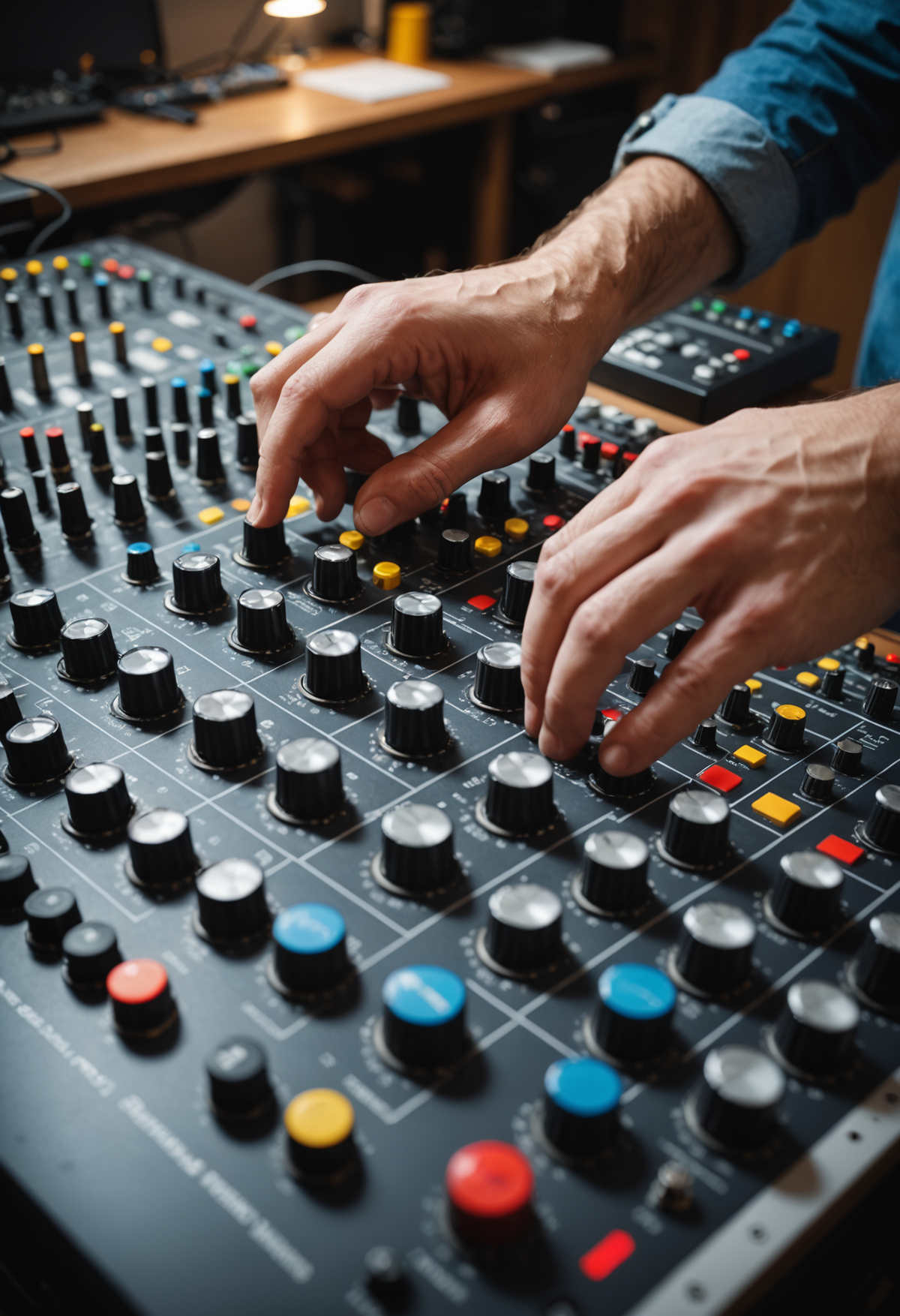
Mixing & Mastering
Mixing & Mastering gigs from Buxonline freelancers, starting at $1.
No gigs in this category yet.
About mixing & mastering
Mixing and mastering are the two final stages that transform recorded tracks into polished, release-ready music. Mixing takes individual recorded elements—vocals, drums, guitars, synths—and balances their levels, applies equalisation and compression, positions them in the stereo field, and adds effects like reverb or delay to create a cohesive stereo file called the mixdown. Mastering then takes that finished mix and optimises it for distribution: adjusting overall tonal balance, controlling dynamics so the track holds up across playback systems, and preparing multiple format versions with correct loudness standards for streaming services, vinyl, CD, or broadcast.
Done well, mixing gives each element its own space while serving the song's emotional arc, and mastering ensures the track sounds consistent and competitive alongside other releases in its genre. Done poorly, mixes sound cluttered or unbalanced—vocals buried, drums thin, or everything fighting for attention—while bad mastering can leave tracks too quiet for playlists, distorted from over-compression, or harsh on certain speakers. The difference often comes down to trained ears, proper monitoring environments, and understanding how technical decisions like a two-decibel EQ cut at 3 kHz or a specific attack time on a compressor affect the listener's experience.
Guides related to mixing & mastering
Mixing & Mastering — questions and answers
- Should a mix be delivered with headroom before mastering?
- Yes, mixes typically leave around 3 to 6 dB of headroom below 0 dBFS to give the mastering engineer space to work without clipping. Avoid placing limiters or loudness maximisers on the master bus unless specifically requested. The peak level should sit comfortably below digital maximum to allow for transparent processing.
- What's the difference between mastering for streaming platforms and mastering for vinyl?
- Streaming masters target specific loudness standards measured in LUFS—Spotify uses around -14 LUFS, for instance—and prioritise consistent playback across devices. Vinyl mastering requires careful low-frequency management to prevent groove distortion, adjusted stereo width to avoid tracking issues, and often a different tonal balance because the physical medium responds differently to extreme bass and sibilance.
- How does parallel compression work in a mix?
- Parallel compression blends a heavily compressed duplicate of a track or bus with the original uncompressed signal. This retains the natural dynamics and transients of the dry sound while adding the thickness and sustain of the compressed version. It's commonly used on drums to add punch without squashing the life out of the performance.
- Can you master a track that's already been mixed with heavy limiting?
- Technically yes, but the results are limited. If the mix already hits 0 dBFS with aggressive limiting, there's little dynamic range left to shape, and further processing often introduces distortion or pumping artifacts. A mix with preserved dynamics and headroom gives far better results, which is why many mastering engineers request unmastered mixes.
- What does automation mean in the context of mixing?
- Automation records changes to mix parameters over time—fader levels, panning, effect sends, or plugin settings—so they move dynamically throughout the song. A vocal might be automated louder during the chorus, or a delay send might increase only on the last word of a phrase. This allows precise, musical adjustments that static settings can't achieve.
- Why would someone need separate masters for different territories or formats?
- Different regions and platforms have varying technical requirements and loudness standards. Broadcast television in Europe follows EBU R128 at -23 LUFS, while US radio often expects much louder material. CD masters use 16-bit 44.1 kHz, high-resolution downloads might be 24-bit 96 kHz, and vinyl requires specific preparation. Creating tailored masters ensures optimal playback in each context.


