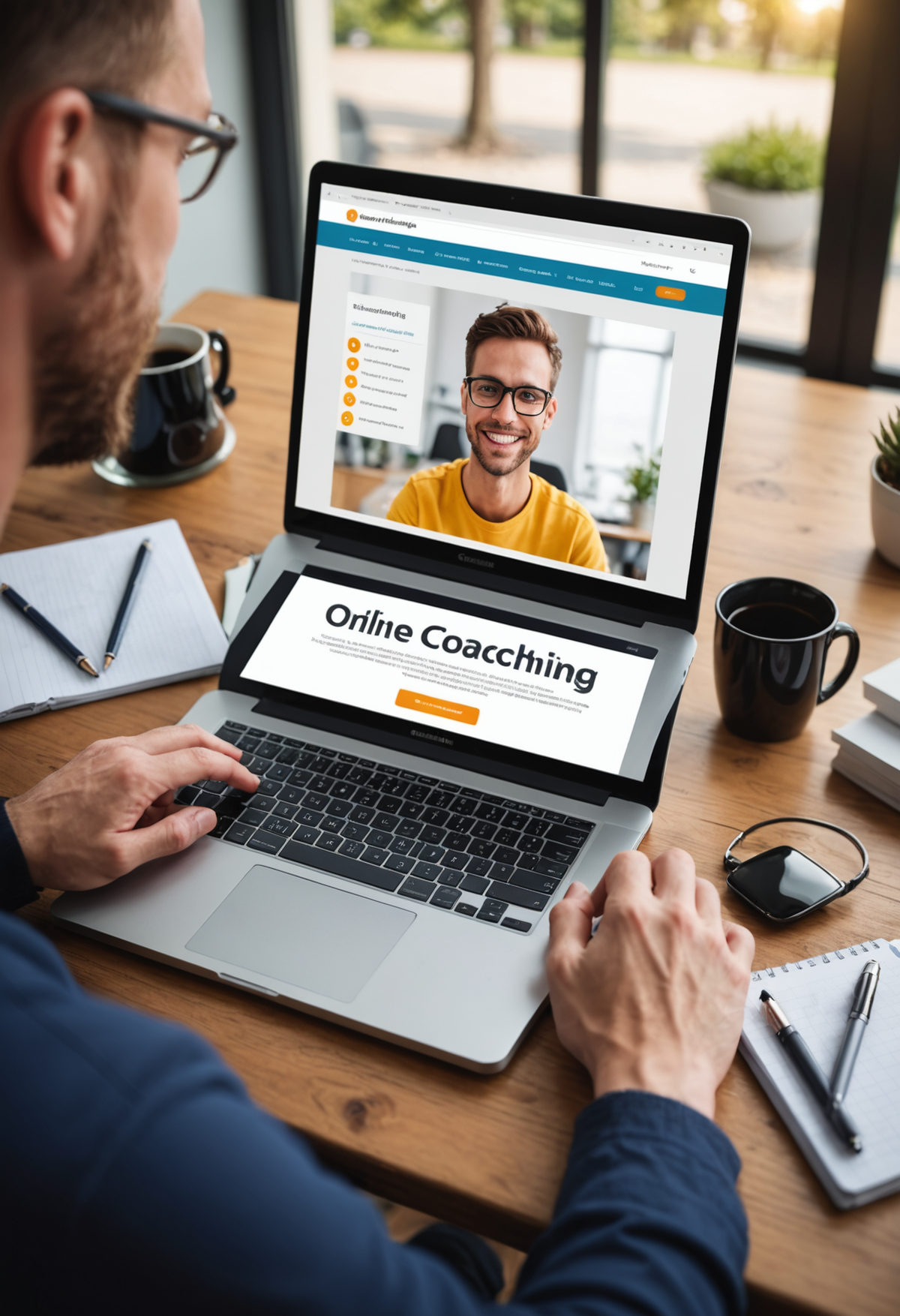
Online Coaching
Online Coaching gigs from Buxonline freelancers, starting at $1.
No gigs in this category yet.
About online coaching
Online coaching delivers structured guidance, accountability and skill development through digital channels rather than in-person sessions. Coaches work with individuals or small groups via video calls, messaging platforms, email check-ins, or purpose-built coaching software to help clients achieve specific goals in areas like fitness, nutrition, career development, productivity, relationships, or personal growth. The work involves designing programmes tailored to each client's circumstances, tracking progress through regular communication, adjusting approaches when obstacles arise, and providing both technical knowledge and motivational support over weeks or months.
What separates effective online coaching from ineffective attempts is the ability to build genuine rapport and trust without physical presence, combined with systems that maintain momentum between live sessions. A skilled coach creates clear frameworks that clients can follow independently, asks questions that surface the real barriers to progress rather than surface symptoms, and knows when to push and when to accommodate. Poor coaching relies on generic templates, fails to adapt when initial plans don't fit a client's reality, or disappears between scheduled calls leaving clients directionless. The medium demands clarity in written communication, comfort with asynchronous exchanges, and structured record-keeping so nothing falls through the gaps when managing multiple clients across time zones.
Online Coaching — questions and answers
- How do you maintain accountability when you're not physically present with clients?
- Accountability in online coaching typically combines scheduled check-ins with tracking mechanisms. Most coaches use weekly video calls alongside daily or alternate-day progress updates through apps, spreadsheets, or messaging. Clients photograph meals, log workouts, submit written reflections, or share screenshots of completed tasks. The structure creates regular touchpoints where clients know they'll report progress, which replicates the commitment device of in-person appointments while allowing flexibility in timing.
- What happens during the periods between live coaching sessions?
- Between synchronous calls, clients typically work through assigned tasks, follow programmes the coach has designed, and send asynchronous updates. Coaches review this material, provide written feedback, answer questions via email or messaging, and adjust upcoming plans based on what they observe. Some coaches offer unlimited messaging access; others set boundaries like 48-hour response windows. The between-session work often matters more than the live calls themselves, since that's where behaviour change actually occurs.
- Can coaching work effectively if clients are in very different time zones?
- Time zone differences shift coaching toward asynchronous communication rather than regular live calls. Coaches in this situation rely more heavily on detailed written guidance, video messages, voice notes, and structured frameworks clients can follow independently. Some schedule fortnightly or monthly video sessions at awkward hours for one party, while others operate almost entirely through recorded exchanges. It requires clients comfortable with self-direction and coaches skilled at anticipating questions before they arise.
- How long does an online coaching engagement typically last?
- Coaching engagements commonly run between three and six months, though this varies by goal complexity and coaching style. Fitness or nutrition coaching might involve twelve-week blocks, while career or business coaching often extends six to twelve months. Some coaches offer ongoing monthly arrangements without fixed end dates. Shorter engagements risk insufficient time for lasting change; longer ones risk dependency. Many coaches build in review points where client and coach jointly decide whether to continue.
- What technical setup do coaches actually need to deliver sessions?
- At minimum, coaches need reliable video conferencing software, a decent webcam and microphone, and stable internet. Many add client management systems to track progress, scheduling tools to manage bookings across time zones, and secure document storage for programme materials and client records. Fitness coaches often use form-check video analysis tools; nutrition coaches might employ meal-logging apps. The specific stack depends on coaching niche, but the core requirement is technology reliable enough that technical problems don't disrupt client trust.
- How do you assess progress when you can't observe someone's daily environment?
- Progress assessment in online coaching relies on client-reported data combined with outcome measures. Coaches review logs, photos, videos clients submit, and track quantifiable metrics like weight, performance numbers, completed tasks, or skill assessments. Regular video calls allow coaches to observe energy levels, communication patterns, and how clients describe their experiences. Skilled coaches learn to spot discrepancies between reported and actual adherence, and build relationships where clients feel safe admitting struggles rather than performing compliance.


