
Resume Writing
Resume Writing gigs from Buxonline freelancers, starting at $1.

 venusresumes2New Seller
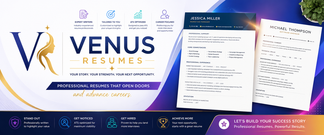
►Venus Resumes is a professional career branding and resume-writing service operating with over 15 years of industry experience. [1] ►Services Offered- ►ATS-Optimized Resumes: Custom-structured CVs designed to pass Applicant Tracking Systems (ATS) and avoid formatting errors. ►Career Branding: Tailored content for freshers, mid-level managers, and CXO-level executives. ►Complete Support: Cover letters, executive bios, LinkedIn profile optimization, and job portal enhancements (Naukri and Indeed). ►Turnaround Time: Fast delivery ranging typically between 4 to 24 HRS
$100
 venusresumes2New Seller
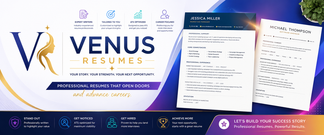
Venus Resumes provides professional career branding and ATS-friendly resume writing services designed to help job seekers pass Applicant Tracking Systems and catch recruiters' attention. Core Services OfferedATS-Optimized Resumes: Structured with clean layouts and keyword optimization tailored for portals like Naukri, Indeed, and global systems. Career Level Customization: Solutions built for freshers, experienced professionals, managers, and CXO-level executives. LinkedIn Profile Optimization: Keyword-rich updates to improve visibility for recruiters. Cover Letters & Additional Documents: Customized cover letters, Statement of Purpose (SOP), Letters of Recommendation (LOR), and executive bios. Urgent Delivery: Express turnaround options ranging from 4 to 24 hours for immediate application deadlines www.venusresumes.com, Whatsapp +919958187652
$100
About resume writing
Resume writing is the craft of presenting someone's professional history, skills and qualifications in a structured document designed to secure job interviews. A resume (or CV, depending on region and profession) distils years of work into one or two pages that hiring managers can scan in seconds. The writer must decide what to include, what to omit, how to phrase achievements so they demonstrate value rather than list duties, and how to format the information so the most relevant details surface immediately.
Doing this well means understanding how recruiters read: they look for keywords that match the job description, evidence of measurable impact, and a clear narrative that shows progression or expertise. A poorly written resume buries accomplishments in vague language, includes irrelevant detail, or uses formatting that breaks when parsed by applicant tracking systems. A strong one uses active verbs, quantifies results wherever possible, and tailors content to the role being pursued. The difference often lies in whether the document answers the question a recruiter is asking: not just what you did, but what you achieved and why it matters to them.
Guides related to resume writing
Resume Writing — questions and answers
- What's the difference between a resume and a CV, and when do you use each?
- A resume is typically one or two pages summarising relevant experience for a specific job, common in the United States and Canada. A CV (curriculum vitae) is a longer, comprehensive record of all academic and professional achievements, standard in Europe, academia worldwide, and research roles. The format you use depends on geography and industry convention.
- How do applicant tracking systems affect the way a resume needs to be written?
- Applicant tracking systems scan resumes for keywords, job titles and qualifications before a human sees them. This means using standard section headings like "Work Experience" rather than creative labels, avoiding tables or text boxes that confuse parsers, and mirroring language from the job description where accurate. Readable formatting matters as much as content.
- Should a resume focus on responsibilities or achievements?
- Achievements demonstrate impact; responsibilities only describe the role. A line like "Managed a team of five" states a duty, while "Led a team of five to reduce processing time by 30 per cent" shows measurable results. Effective resumes replace task lists with evidence of what the candidate delivered, using numbers and outcomes wherever possible.
- When does a functional resume make sense instead of a chronological one?
- A functional resume groups skills by category rather than listing jobs in order. It suits career changers, people with employment gaps, or those whose relevant experience is scattered across roles. However, many recruiters distrust the format because it obscures work history, so it works best when the skills themselves matter more than tenure or progression.
- How much detail should older jobs include compared to recent ones?
- Recent roles warrant more detail because they reflect current skills and are more relevant to hiring decisions. A position from the last five years might take three to five bullet points, while a job from fifteen years ago might merit one line or be grouped under "Earlier Experience." The principle is reverse chronological emphasis: depth decreases as you go back in time.
- What file format should a finished resume be delivered in?
- PDF is standard because it preserves formatting across devices and operating systems, ensuring the document looks identical to what was designed. Word documents can reflow unpredictably depending on software version or font availability. Some application systems request specific formats, but when choice exists, PDF is the safest default for maintaining visual consistency.


