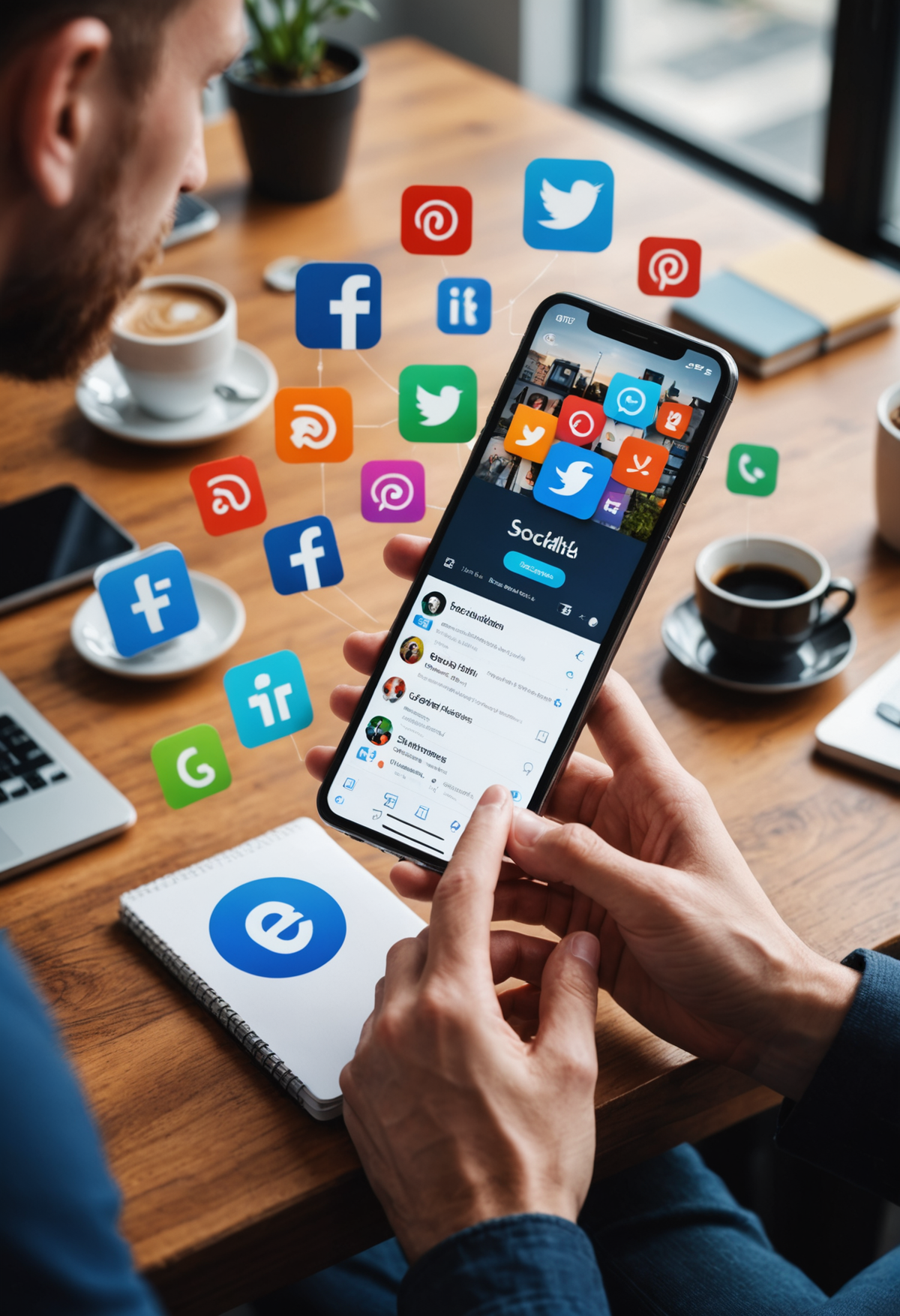
Social Media Design
Social Media Design gigs from Buxonline freelancers, starting at $1.
 Daniel De GoisLevel 2
Professional and eye-catching social media graphics designed to match your brand and stand out on any platform.
$100
 aijaz863827New Seller
I provide premium-quality, professional, and creative services according to your needs. I focus on clean and attractive work, attention to detail, and making sure the final result looks professional. I always try to understand your requirements and deliver work that matches your expectations. Whether you need a simple or detailed project, I will complete it carefully and on time. Your satisfaction is my priority.
$100

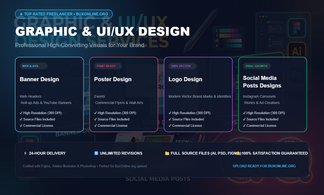
About social media design
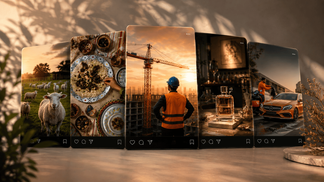
Social media design creates visual content tailored for platforms like Instagram, Facebook, LinkedIn, Twitter, TikTok and YouTube. This includes feed posts, stories, cover images, profile graphics, carousel slides, video thumbnails and promotional banners. The work differs from general graphic design because each platform enforces specific dimensions, aspect ratios and display behaviours that directly affect how content appears and performs.
Good social media design balances brand consistency with platform conventions. A designer must understand how Instagram crops square posts in the feed but displays them fully when tapped, or how LinkedIn truncates text overlays on mobile, or why TikTok thumbnails need bold, centered compositions. Typography must remain legible at small sizes on phone screens, and colour choices need to stand out against each platform's interface. Templates and design systems help maintain visual coherence across dozens of posts while allowing variation in messaging.
Poor execution shows up as text cut off by platform cropping, images that look sharp on desktop but pixelated on mobile, or designs that ignore how users actually scroll and consume content. Effective work considers the viewing context: a story viewed for three seconds requires different hierarchy than a carousel post someone swipes through deliberately.
Guides related to social media design
- Graphic design services from $1
- Logo design services from $1
- Become a Seller: start earning from $1
- Freelance jobs for beginners: start with no experience
- Freelance websites compared: what beginners should check
- Gig work for beginners: what it is and how to start
- Graphic design jobs you can do from home
- Micro jobs from $1 — start earning today
Social Media Design — questions and answers
- Why does the same design look different when posted across multiple platforms?
- Each platform applies its own compression algorithms, colour processing and display rendering. Instagram tends to increase saturation and contrast slightly, while Twitter's compression can blur fine details. LinkedIn displays images differently in feed versus article posts. Exporting at the correct dimensions for each platform and testing before publishing helps anticipate these shifts.
- What's the safe zone in social media design?
- The safe zone is the area guaranteed visible regardless of how a platform crops or overlays interface elements. Profile pictures often cover bottom corners of cover images, and stories have zones at top and bottom where usernames and actions appear. Keeping essential text and focal points within the safe zone prevents critical content being obscured.
- How do carousel posts differ from single-image posts in design terms?
- Carousels require narrative flow across multiple frames, with each slide designed to encourage swiping while still making sense if viewed alone. The first slide needs a strong hook since it appears in the feed. Consistent layout grids, progress indicators and visual continuity between slides help guide viewers through the sequence without confusion.
- Should text be embedded in the image or added as a caption?
- Text embedded in the image guarantees visibility and works when captions are truncated, but it cannot be translated, indexed by search or read by screen readers. Platform algorithms increasingly favour accessible content. The decision depends on whether the text is decorative and part of the design, or informational and better suited to captions with alt text.
- What resolution should social media graphics be created at?
- Design at the exact pixel dimensions each platform recommends, at 72 DPI for screen display. Instagram feed posts work well at 1080×1080 pixels for square or 1080×1350 for portrait. Creating larger files does not improve quality after platform compression and increases upload time. Retina displays are handled by the platform's rendering, not the source file resolution.
- How does designing for stories differ from designing for feed posts?
- Stories use a 9:16 vertical format, appear full-screen, and disappear after 24 hours, which allows for more experimental or time-sensitive content. Users tap through quickly, so hierarchy must be immediate. Interactive elements like polls, sliders and swipe-up zones need clear placement. The ephemeral nature means less polished, more spontaneous design often performs better than highly produced graphics.


